

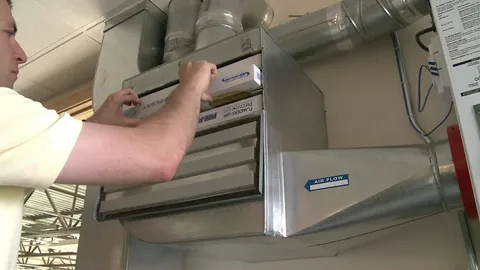
As energy efficiency becomes a paramount concern for homeowners, adopting systems that can reduce energy waste while maintaining comfort cannot be overstated. The Heat Reclamation System is one of the most effective solutions in this regard. By capturing and reusing energy that would otherwise be lost, these systems significantly improve energy efficiency within the home. This blog post will walk you through the key aspects of Heat Recovery System in twelve comprehensive steps.
Introduction to Heat Reclamation Systems
Heat Reclamation Systems are designed to capture and recycle energy typically lost during heating and ventilation. These systems reduce energy consumption and enhance a home’s heating and cooling efficiency. Homeowners can lower energy costs and reduce their carbon footprint by integrating one. The effectiveness of a Heat Reclamation System lies in its ability to extract thermal energy from exhaust air and use it to preheat incoming fresh air. This process ensures homes remain comfortable throughout the year, even in extreme temperatures.
By harnessing waste energy, these systems cut down on utility bills and contribute to a more sustainable lifestyle. Homeowners prioritising energy efficiency will find Heat Reclamation Systems an invaluable addition to their properties, as they help create a balanced indoor climate while reducing reliance on traditional heating and cooling methods. A Heat Reclamation System offers a practical and environmentally friendly solution for modern living.
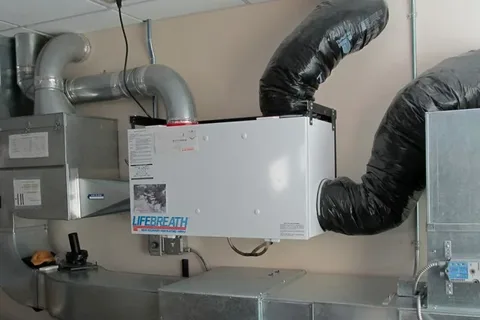 What Is a Heat Recovery Unit?
A heat-recovery unit transfers thermal energy from exhaust air to incoming fresh air. This process efficiently recovers heat that would typically be lost, ensuring homes remain warm without relying heavily on traditional heating systems. Integrating this unit allows you to enjoy a comfortable living environment while significantly reducing energy consumption. The unit typically features a heat exchanger, facilitating warmth transfer from outgoing air to incoming air.
This system operates without mixing the two air streams, maintaining indoor air quality. During winter, the incoming cold air is preheated, minimising the load on the home’s heating system. In summer, the process can work in reverse, helping to cool the incoming air. Such dual functionality allows homeowners to maintain comfort in any season while being mindful of energy use. Additionally, installing a Heat Recovery Unit can be tailored to fit various home designs, making it a versatile option for enhancing energy efficiency.
The Benefits of a Heat Energy Recovery
Heat energy recovery are essential for improving indoor air quality and creating a healthier living environment. By continuously supplying fresh air and removing stale air, these systems contribute significantly to comfort and sustainability. Below are the key benefits of implementing Heat Reclamation Systems in your home.
Improved Indoor Air Quality
Heat Reclamation Systems ensure a steady influx of filtered fresh air while expelling stale, polluted air. This process helps eliminate indoor pollutants, making the environment healthier.
Reduced Humidity Levels
By maintaining optimal humidity, these systems help prevent mould growth and associated health issues, creating a more comfortable indoor climate.
Energy Efficiency
Heat Reclamation Systems lower energy consumption by reducing the demand for heating and cooling. This energy efficiency translates to significant cost savings on utility bills.
Sustainable Living
These systems align with eco-friendly practices by reducing your home’s carbon footprint. Homeowners can contribute to a more sustainable future while enjoying improved living conditions.
Enhanced Comfort
With consistent ventilation and balanced temperatures, Heat Reclamation Systems enhance home comfort and provide a stable and pleasant indoor climate.
By integrating heat energy recovery, homeowners can achieve improved air quality, energy savings, and a healthier living space, all while promoting sustainable living practices.
The Functionality of a Heat Recovery Exchanger
The heat recovery exchanger operates by facilitating thermal energy transfer between outgoing and incoming air streams. This process allows the pre-warmed fresh air to be circulated throughout the home, reducing the need for additional heating. By effectively harnessing the heat from exhaust air, the exchanger minimises energy wastage and enhances the system’s overall efficiency.
This mechanism is crucial for maintaining consistent indoor temperatures and optimising the performance of the heating and ventilation setup. As air moves through the exchanger, it loses heat to the incoming air, which is warmed before entering the living spaces. This continuous cycle improves energy efficiency and helps maintain a steady indoor climate, providing comfort regardless of external weather conditions. Furthermore, advanced designs in heat exchangers can achieve higher efficiency rates, making them a worthwhile investment for homeowners focused on long-term energy savings.
Installation and Maintenance Tips
Several key factors must be considered to ensure your Heat Reclamation System operates efficiently and effectively, from installation to ongoing maintenance. This proactive approach will help extend the lifespan of your system while maximising energy savings.
Proper Installation
A well-executed installation is critical. Assess your home’s layout and airflow dynamics to integrate the system seamlessly with existing ventilation setups.
Selecting the Right System
Choose a Heat Reclamation System that fits your home’s size and specific requirements, ensuring optimal performance.
Insulated Ductwork
Well-insulated ductwork prevents energy losses, contributing to the overall efficiency of your Heat Reclamation System.
Regular Maintenance
Routine filter cleaning or replacement and checks for blockages or leaks are essential for maintaining performance. Schedule annual inspections with a professional to identify potential issues early.
Familiarise yourself with Operational Features.
Understanding your system’s operational features allows for optimal use and enhances efficiency, leading to energy savings.
Proactive Approach
Stay diligent with maintenance by promptly addressing any performance concerns. This proactive approach extends your system’s lifespan and maximises your return on investment by minimising the risk of costly repairs or replacements.
By following these guidelines, homeowners can ensure their Heat Reclamation System functions effectively and economically.
Common Applications in Residential Settings
Heat Reclamation Systems are crucial in enhancing energy efficiency in residential properties. They are especially advantageous in homes with mechanical ventilation and in regions that experience significant temperature fluctuations. Here’s a brief overview of their benefits:
- Energy Efficiency: Heat Reclamation Systems reduce reliance on traditional heating and cooling methods, contributing to overall energy savings.
- Versatile Integration: These systems can be seamlessly integrated into different types of residential buildings, from single-family homes to multi-family units.
- Balanced Indoor Environment: They maintain consistent indoor temperatures, ensuring comfort throughout the year by effectively managing heating and cooling demands.
- Seasonal Adaptability: In colder climates, they minimise heat loss during winter while providing fresh air. In warmer areas, they control humidity, allowing for a comfortable indoor climate without heavy air conditioning use.
- Customised Solutions: Homeowners can tailor these systems to meet specific ventilation and heating needs, maximising their benefits.
Heat Reclamation Systems represent a sustainable choice for homeowners looking to improve their energy efficiency while maintaining a comfortable living environment.
Cost Considerations and ROI
The upfront cost of a Heat Reclamation System can vary depending on its size and complexity, but the long-term savings on energy bills often justify the investment. Over time, reduced energy consumption leads to significant financial benefits. Additionally, various regions offer incentives or rebates to encourage the adoption of energy-efficient systems. Homeowners can expect a return on investment (ROI) within a few years as energy savings accumulate. The initial expenses associated with purchasing and installing a Heat Reclamation System can be offset by decreased heating and cooling costs, which can represent a significant portion of a household’s monthly utility bills.
Furthermore, investing in energy efficiency can enhance property value, making homes more attractive to potential buyers. As awareness of energy-efficient technologies grows, many homeowners prioritise these systems in their renovation or construction plans. In conclusion, while the initial investment may seem considerable, the long-term savings and benefits make Heat Reclamation Systems a financially sound choice for many households.
Comparing Different Types of Systems
Several Heat Reclamation Systems exist, including cross-flow, counter-flow, and rotary heat exchangers. Each type offers varying levels of efficiency and is suited to different applications. For instance, cross-flow exchangers are often simpler and more cost-effective, while counter-flow systems provide higher efficiency. Rotary heat exchangers, known for their versatility, can be beneficial in environments requiring both heating and cooling. Homeowners should evaluate their needs and consult professionals to determine the best fit for their home. The choice of system type can significantly impact overall performance, energy savings, and installation costs.
Cross-flow heat exchangers are often suitable for smaller homes due to their straightforward design, while counter-flow systems are better for larger properties where maximum efficiency is desired. Rotary heat exchangers are ideal for heating and cooling applications, offering a flexible solution for diverse climates. By understanding the strengths and weaknesses of each type, homeowners can make informed decisions that align with their energy efficiency goals.
Understanding Heat Recovery Ventilation Units
Heat recovery ventilation are pivotal in maintaining a healthy indoor environment by ensuring continuous air exchange. These units efficiently recover heat from outgoing air and use it to warm incoming fresh air, thus minimising energy loss. Their design allows for effective ventilation without compromising the home’s thermal comfort. Integrating such units can enhance indoor air quality while benefiting from improved energy efficiency.
Heat recovery ventilation unit operate quietly and are designed to fit seamlessly within a home’s existing infrastructure. Their ability to provide consistent airflow ensures that indoor spaces remain comfortable and fresh throughout the year.
Additionally, these units can be equipped with filters to further improve indoor air quality by capturing dust, pollen, and other allergens. The continuous air exchange maintains comfort and contributes to residents’ well-being by minimising pollutant exposure. Heat recovery ventilation are vital to a holistic approach to home energy efficiency and indoor air quality management.
Environmental Impact
Heat Reclamation Systems contribute significantly to reducing greenhouse gas emissions by lowering the overall energy consumption of a home. By efficiently recycling heat, these systems minimise the reliance on fossil fuels for heating, thus cutting down the carbon footprint. They also promote the sustainable use of resources, aligning with environmental conservation goals. Furthermore, by maintaining optimal indoor temperatures, Heat Reclamation Systems reduce the need for additional energy-intensive heating or cooling solutions, making them eco-friendly for homeowners committed to environmental responsibility.
These systems support broader initiatives to achieve a sustainable future through energy efficiency. By adopting heat recovery technology, homeowners reduce their energy costs and play a crucial role in the fight against climate change. The ability to lower energy consumption while enhancing comfort represents a significant advancement in sustainable living practices. As society grapples with climate change’s effects, adopting Heat Reclamation Systems will likely become more prevalent, driving further innovation and efficiency in residential energy use.
Enhancing Indoor Air Quality with heat energy recovery system
A heat energy recovery system is critical in enhancing indoor air quality by constantly supplying fresh, filtered air while expelling stale air. This exchange process helps remove indoor pollutants, allergens, and moisture, creating a healthier living environment. The system also maintains optimal humidity levels, improving air quality. With the growing concern over indoor air pollution, homeowners can rely on Heat Reclamation Systems to provide cleaner air, reducing health risks associated with poor indoor environments.
By integrating advanced filtration systems, these units can effectively capture a range of airborne contaminants, ensuring that the air circulated within the home is fresh and safe. This continuous ventilation helps alleviate common indoor air quality issues, such as allergens, mould growth, and respiratory irritants. As awareness of the importance of indoor air quality continues to rise, Heat Reclamation Systems will become increasingly recognised as essential components of modern, healthy homes.
Future Trends in Heat Recovery Technology
The future of heat recovery technology is geared towards increasing system efficiency and enhancing user convenience. Upcoming innovations include smart controls that optimise performance based on real-time data and integration with renewable energy sources like solar panels, offering greater energy savings.
Advances in materials and design will lead to more compact and versatile systems suitable for a variety of home types. Additionally, increased connectivity with home automation systems will allow seamless operation and monitoring, making heat recovery more user-friendly. These trends indicate a move towards smarter, more sustainable solutions that improve energy efficiency and contribute to a greener environment.
Conclusion
Investing in a Heat Recovery System is a smart choice for homeowners seeking to improve energy efficiency, reduce energy costs, and enhance indoor air quality. These systems offer a sustainable solution to maintain comfort while minimising environmental impact by capturing and reusing heat that would otherwise be lost. As technology advances, Heat Reclamation Systems become increasingly efficient and user-friendly, making them valuable to any home. By understanding their functionality and benefits, homeowners can make informed decisions that lead to a more comfortable, eco-friendly living space.
FAQs
How does a Heat Recovery System work?
A Heat Recovery System captures heat from outgoing exhaust air and transfers it to incoming fresh air. This process pre-warms the incoming air, reducing the need for additional heating and enhancing energy efficiency.
What are the main benefits of installing a Heat Reclamation System?
The primary benefits include lower energy bills, improved indoor air quality, reduced carbon footprint, and enhanced comfort in the home. These systems provide a constant supply of fresh air while minimising energy loss.
Are Heat Reclamation Systems suitable for all homes?
Yes, Heat Reclamation Systems can be installed in various residential properties, including single- and multi-family buildings. Homeowners should assess their heating and ventilation needs to determine the best fit.
What maintenance is required for a Heat Reclamation System?
Regular maintenance includes cleaning or replacing filters, checking blockage, and inspecting ductwork. Routine professional inspections are also recommended to ensure optimal performance and longevity of the system.
What is the expected return on investment for a Heat Reclamation System?
While the initial cost can vary, homeowners often see significant savings on energy bills over time. Many regions also offer incentives for energy-efficient upgrades, further enhancing the return on investment.
| Related Business Listings |
| Contact Directory |
| Local Business Profiles |
